
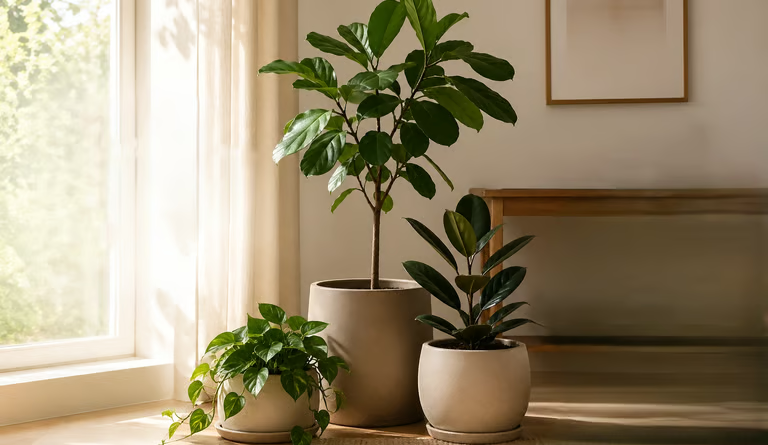
You’ve probably walked past a corner in someone’s home, maybe a friend’s apartment or a photo you saved on Pinterest, and immediately noticed how effortlessly it all came together. A plant by the window, another beside a chair, and suddenly the whole room felt calm, intentional, and beautifully styled. That’s the power of using plants for home decor the right way.
Then you look at your own space. You have more than a few plants, and they’re healthy and growing, yet your home still looks like a collection of individual purchases rather than a thoughtfully designed space. However, the difference usually isn’t the plants themselves. Instead, it’s the pots you choose and where you place them. Once you understand those two design principles, your plants stop looking random and start making your entire home feel more cohesive.
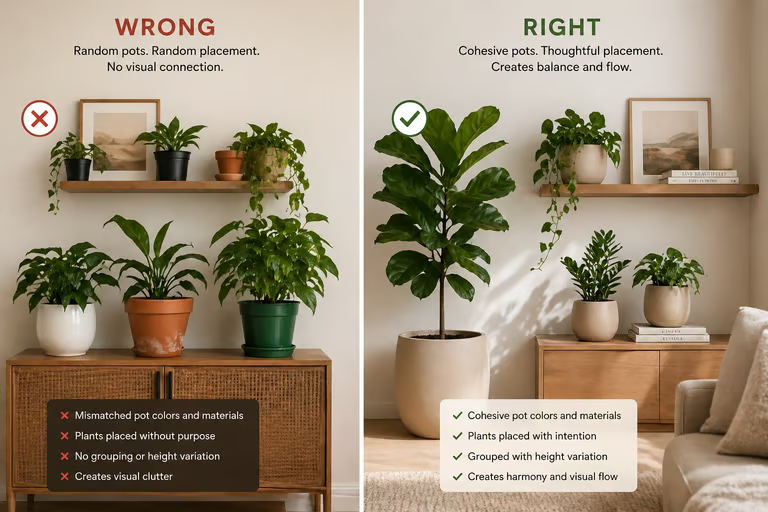
The Real Problem With Most Indoor Plant Decor
Placement First, Purchase Second (Plants for home decor)
The Pot Rule That Changes Everything
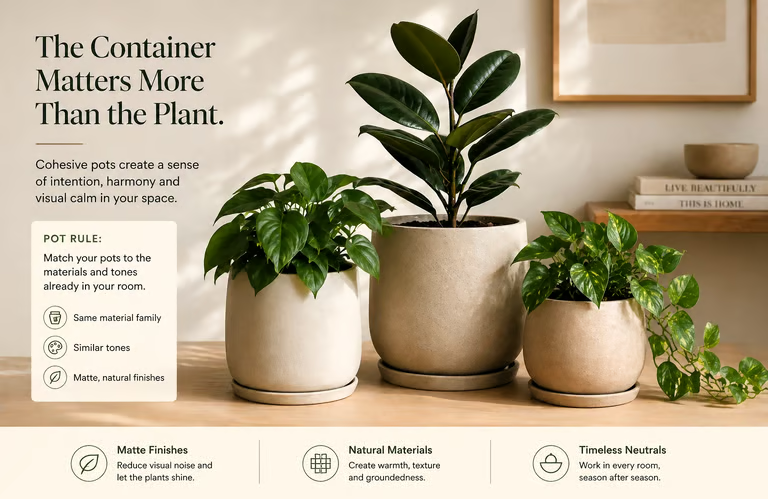
Match your pots to the existing materials in the room, not the plants.
Warm tones, wood, and linen pair beautifully with terracotta and unglazed clay. The earthy warmth already exists in your room, so the pots should feel like they belong there. Similarly, white walls, concrete, or metal surfaces work especially well with matte white or grey indoor planters because they create a clean, minimal, architectural look. If your room is warm and layered with texture, a woven plant stand adds height without competing with everything else.
You’re not trying to match. Instead, you’re trying to relate. A set of decorative planters for indoors in the same material family will almost always look more intentional than five individually beautiful pots that share nothing with each other or with the room.
If you’re starting fresh, matte ceramic and terracotta are the safest entry points because they work in almost every home and age beautifully over time. In fact, one good indoor decorative planter in a neutral finish will usually do more work than three mismatched ones. If you’re not sure where to start, indoor decorative plant pots in matte finishes, especially those sold as sets, are the easiest and most cohesive option.
How Grouping Actually Works
Most designers recommend odd numbers because they create a more natural and balanced arrangement. Three plants usually look better than two, and five usually work better than four. However, the number is only the beginning.
What makes living room decor plants actually work is height variation within the group. For example, combine one tall plant, one mid-height plant, and one low or trailing plant. Different heights create a silhouette, and that silhouette makes the arrangement feel deliberate rather than accidental.
The pots within the group should belong to the same family. For example, matte terracotta, a slightly larger matte clay planter, and a small unglazed ceramic pot work well together because they create cohesion without competing for attention. As a result, the plants read as one intentional moment in the room rather than three separate purchases.
Finally, leave space between the plants. Crowding them makes even a beautiful arrangement feel cluttered. Let each plant breathe because the space between them is part of the styling. In many cases, adding a little more distance between the pots creates a stronger visual impact than adding another plant.
Living Room Plant Decoration: Where to Start
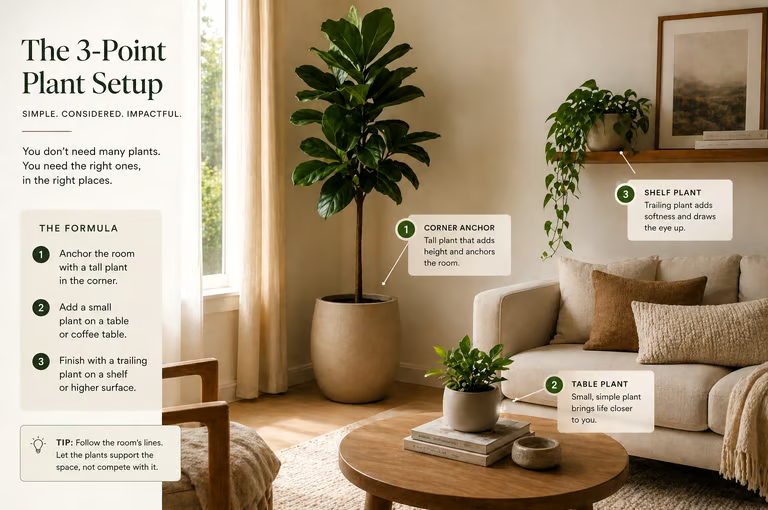
Don’t try to restyle every room at once. Instead, start with the living room because it’s where the visual impact is highest and where plant decoration in living room settings makes the most immediate difference.
In most cases, three plants placed with intention can shift the entire feel of the space. You can begin with a tall floor plant near a corner to anchor the room and give the eye somewhere to go. Next, add one small pot on a coffee table or side table, keeping it low and simple. To finish the look, place one trailing plant on a shelf to create height and movement. Indoor plants in living room settings don’t need to be complicated; they simply need to be thoughtfully placed.
Living room decor plants work best when they follow the room’s natural lines. Low furniture pairs well with low plants, while high shelving works best with taller plants or trailing varieties. As a result, the plants become part of the room’s architecture rather than decorative objects sitting on top of it.
For the full picture on making a living room feel more spacious and styled, this post covers it from the furniture side: How to Style a Small Living Room So It Feels Twice the Size →
Green Plants for Bedroom: A Different Logic
The bedroom is naturally quieter than the living room, and the styling logic should reflect that.
Green plants for bedroom spaces work best when they’re singular or limited in number. For example, one plant near a window or two small pots on a bedside table in matching containers usually creates a calmer, more intentional look. A matte white or neutral ceramic planter on a light wood surface disappears in the best possible way because it doesn’t compete for attention. Instead, it quietly makes the corner feel finished.
The Home That Looks Like You Thought About It
There’s a version of your home that exists just beyond the random placement and the mixed-pot chaos. Decorating with plants indoors doesn’t require more plants, more money, or more square footage. Instead, it requires a clear decision about what the room needs, what the pots should communicate, and which three plants belong together and why.
That’s what interior decor plants look like when they truly work. It’s not about having more plants; it’s about making better placement decisions.
The difference between a room that simply has plants and a room that uses plant decoration ideas intentionally is surprisingly noticeable. Once the pots relate to the room and the placement feels deliberate, the entire space looks calmer, more cohesive, and more thoughtfully designed.
Save this for your next plant styling session →
→ Matte ceramic indoor plant pots, set of 3
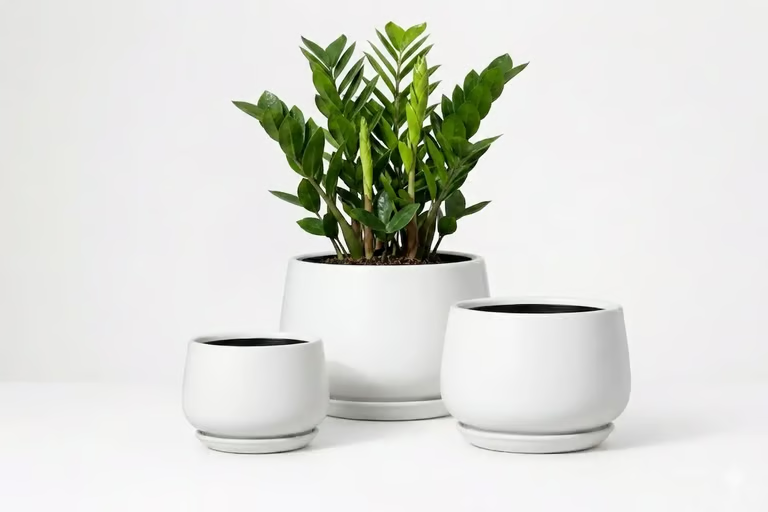
→ Terracotta plant pots, unglazed finish
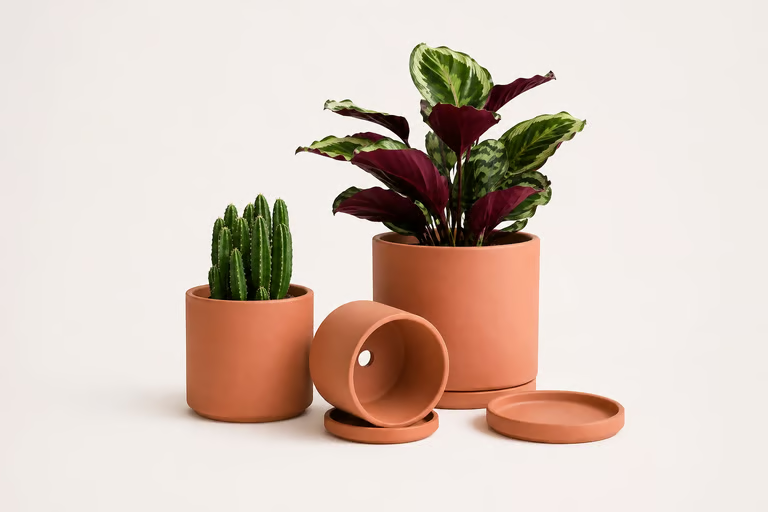
→ Small ceramic pot white minimalist
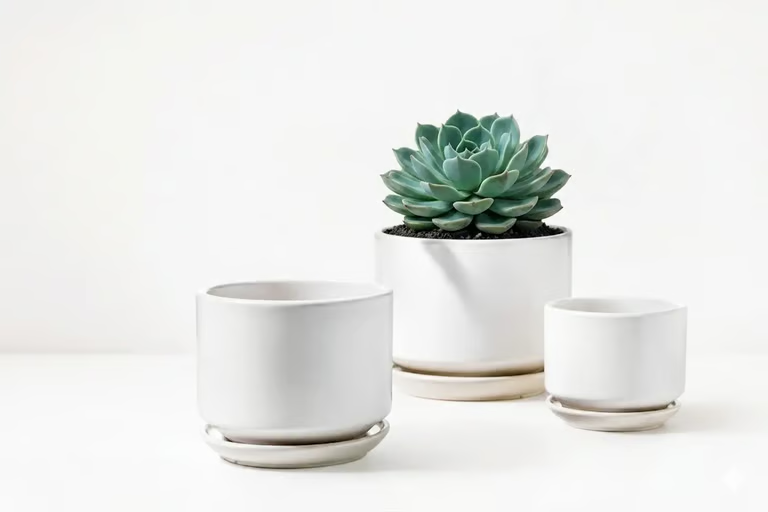
→ Decorative stones for indoor plants
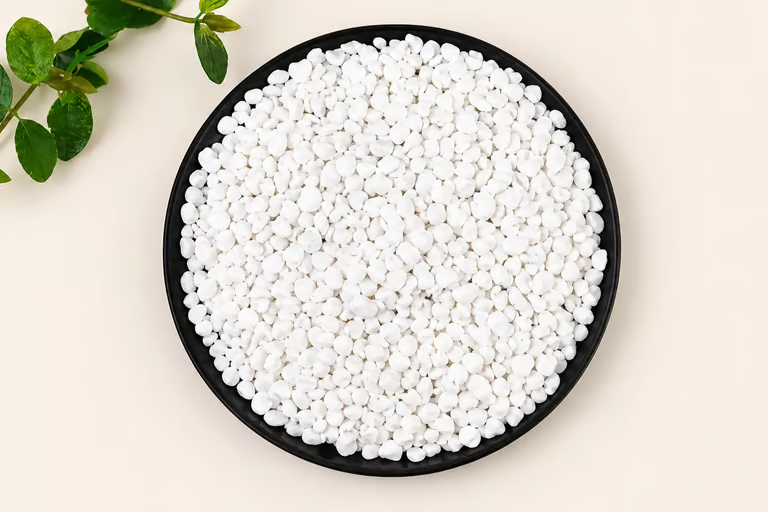
FAQ
How many plants should I have in my living room?
Start with three. One large, one medium, one small, or trailing. Grouped intentionally, this is enough to make a room feel styled without looking overwhelming. More plants don’t automatically mean better decor. Placement and pot logic matter more than quantity.
What type of pot is best for indoor plants?
Matte ceramic and terracotta. They work across almost every interior style: minimal, warm, Scandinavian, and maximalist. Avoid shiny or novelty finishes unless your room already has them. The pot should support the room, not compete with it.
Why do my plants look messy even though I have nice ones?
Almost always, it’s the pots. Mixed finishes, mixed materials, and random placement create visual noise even when individual plants are beautiful. Try consolidating to one pot material family and regrouping in odd numbers with height variation.
Can I use plants in a small room without it feeling cluttered?
Yes, but fewer plants with better placement beats more plants placed randomly. One tall plant in a corner and one small pot on a surface will make a small room feel considered, not crowded. Stick to plants with clean silhouettes: snake plants, pothos, and peace lilies.
Do expensive plants make a room look better?
Not really. A cheap pothos in a well-chosen matte ceramic will look more intentional than a rare plant in a plastic nursery container. The container does more work than the plant in most cases.